February 5, 2026
Auto body paint repair is a complex process that requires precision, skill, and the right techniques to achieve a professional finish. Seasoned professionals understand the common pitfalls in auto body paint repair and how they can deplete your time and money. Let's delve into key mistakes the pros avoid for a successful paint job.
1. Inadequate Surface Preparation
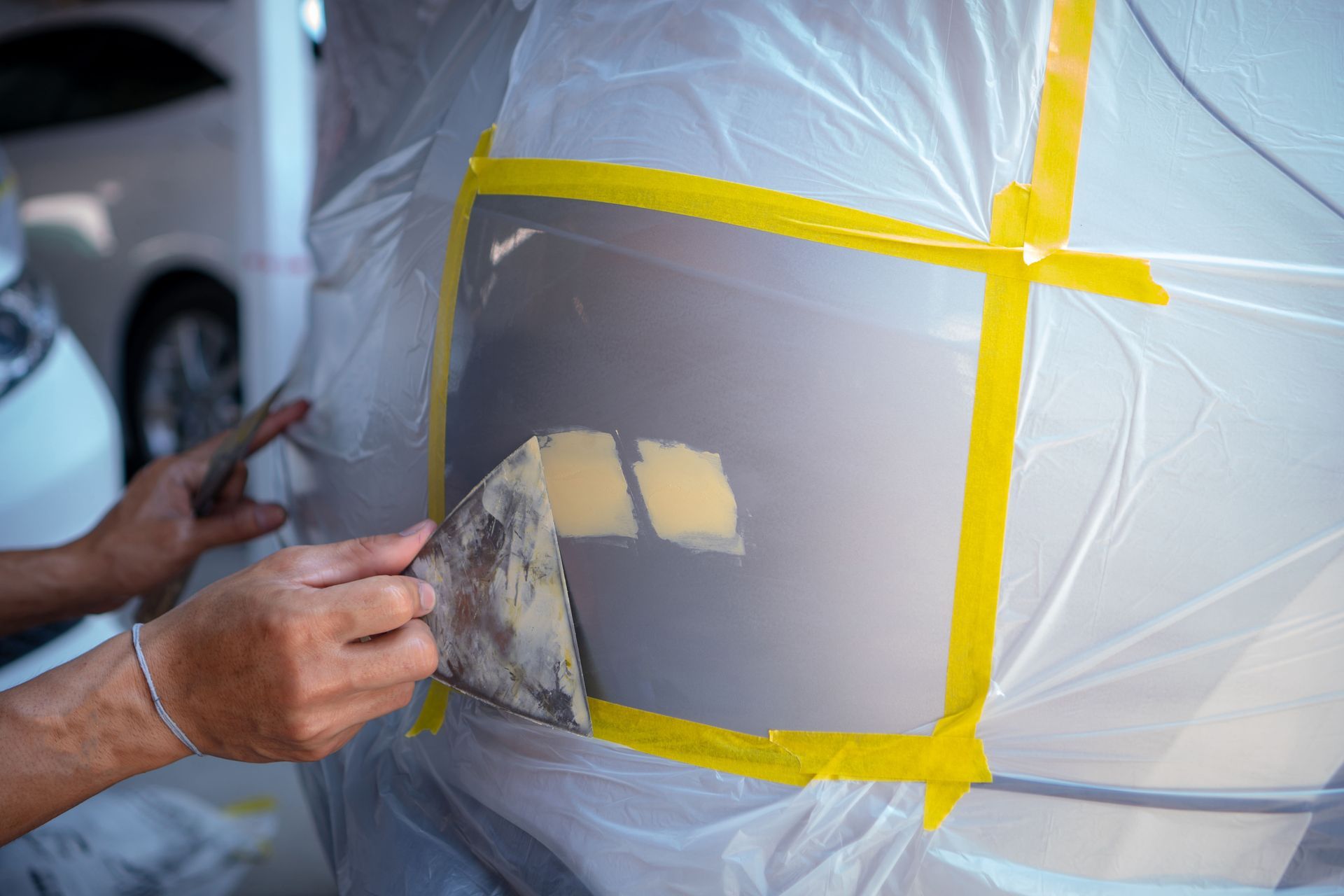
One of the most crucial steps in auto body paint repair is surface preparation. Ignoring surface cleaning before painting can lead to adhesion issues, causing the paint to peel or flake prematurely. It’s vital to remove all dirt, grease, and wax from the surface to ensure a smooth application. Similarly, overlooking rust treatment can allow rust to spread underneath the paint layer, eventually causing bubbling and imperfections. Thorough preparation can dramatically affect the quality and durability of the final paintwork.
Sanding is another critical aspect often skipped or inadequately performed. Skipping sanding can result in an uneven surface. Sanding ensures all imperfections are smoothed out and provides the necessary texture for the primer and paint to grip. Sanding should be done in stages, gradually moving to finer grit sandpaper for a flawless finish. The importance of sanding cannot be overstated for preventing issues down the line.
Applying primer correctly is essential for the paint to adhere and to provide an even base coat. Failing to apply primer properly—such as using the wrong type or failing to apply it evenly—can result in issues like paint peeling. Primer also helps cover any filled areas and provides a uniform surface. Proper removal of old paint and appropriate rust treatment are vital to ensure the new paint has a stable base, thereby minimizing future paint defects. Hence, quality surface preparation significantly contributes to the longevity and appearance of the auto body repair job.
2. Poor Paint Mixing Techniques
Paint mixing might seem straightforward but involves a precise approach to ensure quality results. Incorrect paint ratios can lead to several problems including uneven coloration, poor adherence, and reduced durability. It's crucial to follow the manufacturer’s instructions regarding ratios to achieve the best possible outcome. Inadequate paint mixing can cause inconsistency in color and texture, impacting the overall aesthetics of the vehicle. This stage requires patience and precision to guarantee a professional finish.
Using the correct type of thinner is another common pitfall in paint mixing. Different types of paint require specific thinners to ensure proper consistency. Applying the wrong thinner can lead to separation or clumping of paint, which translates to a poor finish on the vehicle. Fully stirring the paint to uniformity is essential because separation of components can occur if inadequately mixed. Paying attention to temperature conditions during mixing can also avert problems related to paint viscosity and application.
It's important to avoid using expired paint materials. Paints that are past their prime can lead to inferior application quality, color discrepancies, and insufficient protection against environmental elements. Checking expiration dates and testing small batches before committing to full-scale use can safeguard against potential mishaps. According to Synchrony, to repaint a truck or SUV your timeframe would be about 70 to 75 hours, highlighting the importance of getting each mixing step right to avoid costly time delays. Accurate mixing results in improved finish consistency and enhanced durability, ultimately affecting the overall success of the auto body paint repair.
3. Incorrect Spray Gun Usage
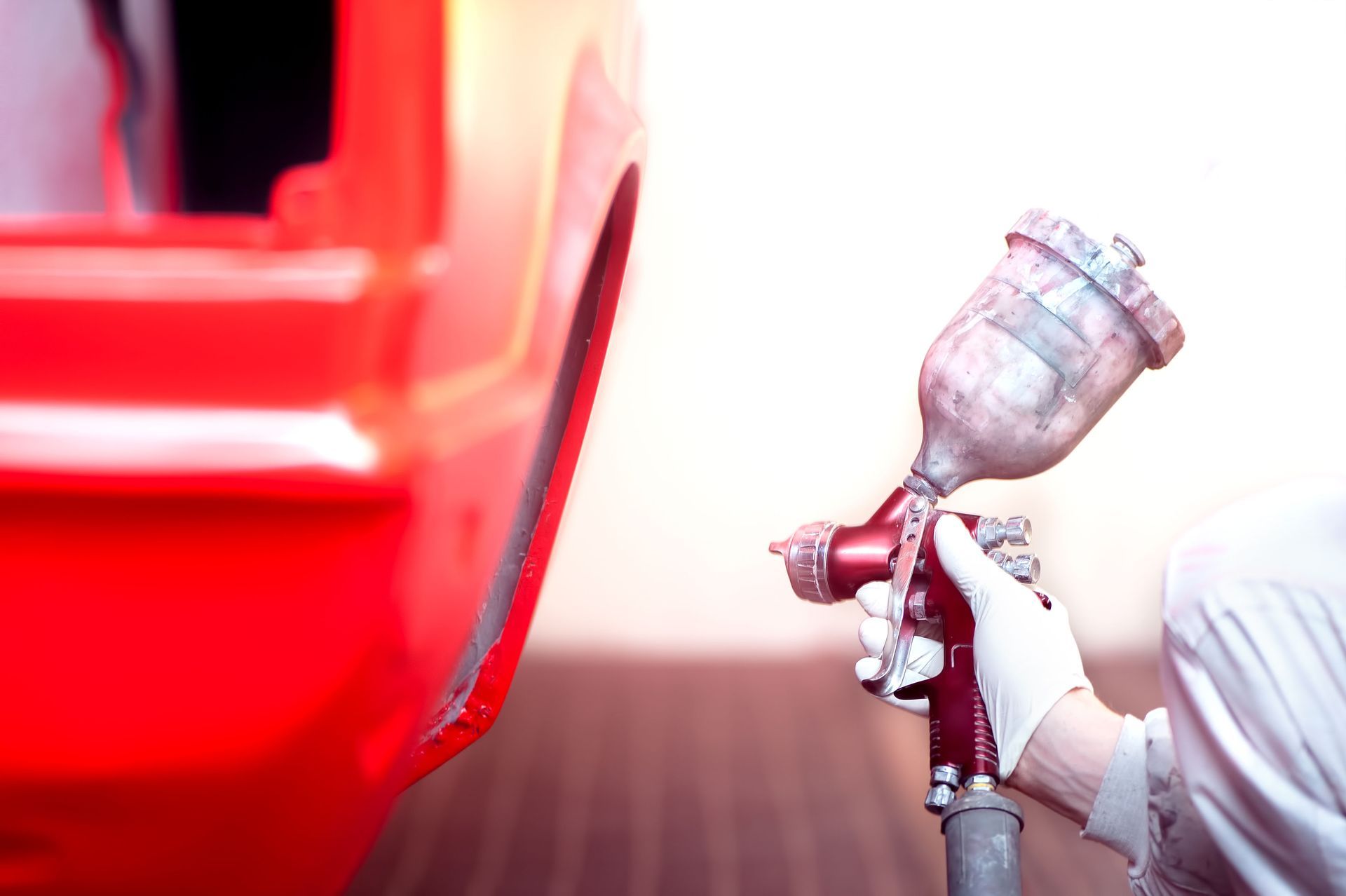
Using a spray gun effectively is a learned skill that directly influences the paint job's quality. Selecting the wrong nozzle size can lead to either too much or too little paint being applied. This can cause paint runs or insufficient coverage, necessitating further sanding and re-application. It's critical to match nozzle size to the paint type and the area being covered for the best results. Improper spray pattern settings can also significantly affect the finish, resulting in blotchy paint jobs, therefore meticulous calibration is essential.
Inconsistent spray gun movement is a typical offender for uneven paint application. Spray guns must be moved consistently across the vehicle's surface at the correct distance and speed to ensure uniform application. Any hesitation or wavering can cause uneven layering or systolic patterns that spoil the final look. Maintaining parallel motion and timing will promote an even distribution of paint, leading to a smoother outcome. Practicing this skill can significantly improve paint quality and aesthetic appeal.
Additionally, improper gun pressure application may result in incorrect atomization of the paint, causing rough textures or orange-peel effects. It's crucial to adjust the air pressure to suit the paint type and environmental conditions. Moreover, failing to maintain equipment cleanliness can lead to contamination or blockage. Consistently cleaning the spray gun ensures it operates at peak efficiency and prolongs its lifespan. Mastery of the spray gun technique is vital for any professional-looking auto body paint repair.
4. Paint Application Mistakes
Paint application errors are prevalent and can drastically affect the end result. Applying too much paint at once is a frequent mistake, leading to runs and drips that require extensive sanding and re-painting. It's essential to apply multiple thin coats rather than a few thick ones for a smooth finish. Adequate drying time between coats is also crucial to preventing imperfections like solvent popping. Jumping the gun by applying coats too soon can trap solvents and gases beneath layers, leading to bubbling and peeling.
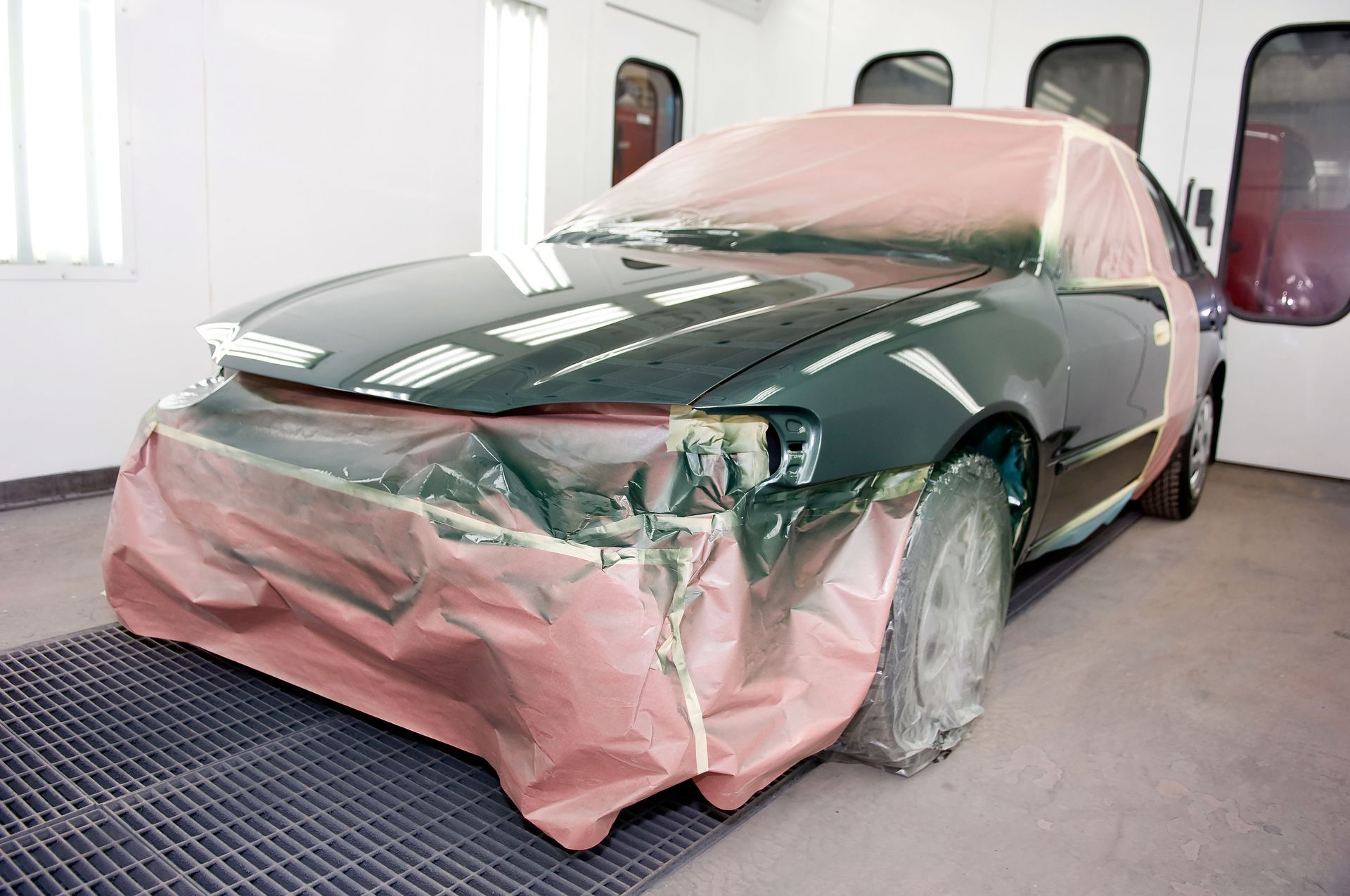
Another common mistake is poor overlap technique, which causes visible lines and unevenness in the finish. Consistent overlap ensures a uniform layer of paint, eliminating any visual discrepancies. Ignoring environmental factors such as humidity, temperature, and dust can result in paint defects like patchiness and contamination. Investing in a controlled environment for paint application is key to avoiding these issues.
Rushing through the final touches can diminish the quality and durability of the paintwork. The final layers dictate the visual appearance and protection level of the completed paint job. Ensuring proper thickness, smoothness, and full coverage is paramount in delivering a high-quality finish. Investing time in meticulous execution during this phase results in a lasting and visually appealing repair. Thus, addressing each paint application element thoroughly is instrumental in the overall success of the auto body paint repair process.
5. Not Following Safety Protocols
Overlooking safety protocols in auto body paint repair can pose severe health and safety risks. Proper ventilation is crucial to prevent inhalation of harmful fumes, which can be detrimental to lung health. Working in a well-ventilated area or using appropriate extraction systems can mitigate this risk significantly. Ensuring all safety measures are in place protects not only individual health but also contributes to a safer working environment overall.
Ignoring protective gear is another grave mistake that should be avoided in auto body paint repair. Wearing respirators, gloves, and protective suits safeguards against exposure to toxic materials commonly found in paints and solvents. Failure to handle materials safely can result in skin and respiratory irritations or more serious health implications. Adhering to safety guidelines allows for protection against hazardous materials typically encountered during repair procedures.
Overlooking fire hazards is a critical misstep, as many automotive paints and thinners are highly flammable. It's important to keep workspaces clean and free from open flames or sparks. Additionally, disregarding manufacturer instructions can lead to improper handling and application, resulting in failed repairs. By prioritizing and following safety protocols, individuals can significantly reduce the risk of accidents and ensure a safe, efficient work environment.
Successfully avoiding common mistakes in auto body paint repair demands attention to detail, patience, and adherence to proper techniques. Our certified technicians at Central Collision Repair, LLC serve the greater Dayton area with quality auto body paint repair services. Contact us today to get started!