August 6, 2026
In the auto paint industry, achieving a showroom-quality finish is a top priority. This aspiration has led to the adoption of advanced techniques that elevate the standard of vehicle aesthetics. Among these techniques, high-temperature baking stands out as a revolutionary method that ensures superior paint durability and visual appeal. By transforming the chemical properties of the paint through heat, it allows vehicles to maintain their sheen and resilience for longer periods. This article delves into how high-temperature baking can rejuvenate an auto paint service with its unparalleled ability to deliver stunning and long-lasting paint finishes.
High-Temperature Baking in Auto Painting
The Science Behind High-Temperature Baking
In the sphere of auto painting, high-temperature baking leverages the science of heat to enhance paint adhesion and curing. The process involves heating the paint to specific temperatures, which facilitates the polymerization of paint molecules. This heat-induced chemical transformation increases the paint's resistance to environmental factors, such as UV rays and moisture. Beyond protection, this technique improves the paint's elasticity, preventing chipping and cracking that often occur with traditional methods. The science of high-temperature baking thus ensures that finishes are not only visually appealing but also structurally sound.
Key Equipment Used in the Process
The high-temperature baking process in auto painting is facilitated by sophisticated equipment specifically designed to deliver consistent and precise heat. Key equipment includes advanced baking ovens that have the capability to maintain uniform temperature environments. These ovens are engineered to provide optimal heat distribution, ensuring that the entire vehicle surface is evenly exposed. Additionally, infrared lamps are often employed to target specific areas, particularly in complex geometries where traditional ovens may falter. This array of tools is indispensable in achieving the flawless finishes that high-temperature baking promises.
Why High-Temperature Baking is Preferred
The preference for high-temperature baking in auto painting can be attributed to its multiple advantages over conventional methods. Key among these advantages is the finite control over curing conditions, which enhances paint quality and lifespan. The process ensures a uniform application and finish, which greatly influences the aesthetic aspects of the vehicle. Furthermore, high-temperature baking is a time-efficient method that cuts down on waiting periods without compromising on quality. This preferred method is poised to set new industry standards, as more auto painters recognize its benefits in delivering superb vehicle finishes.
The Process of High-Temperature Baking
Step 1: Surface Preparation
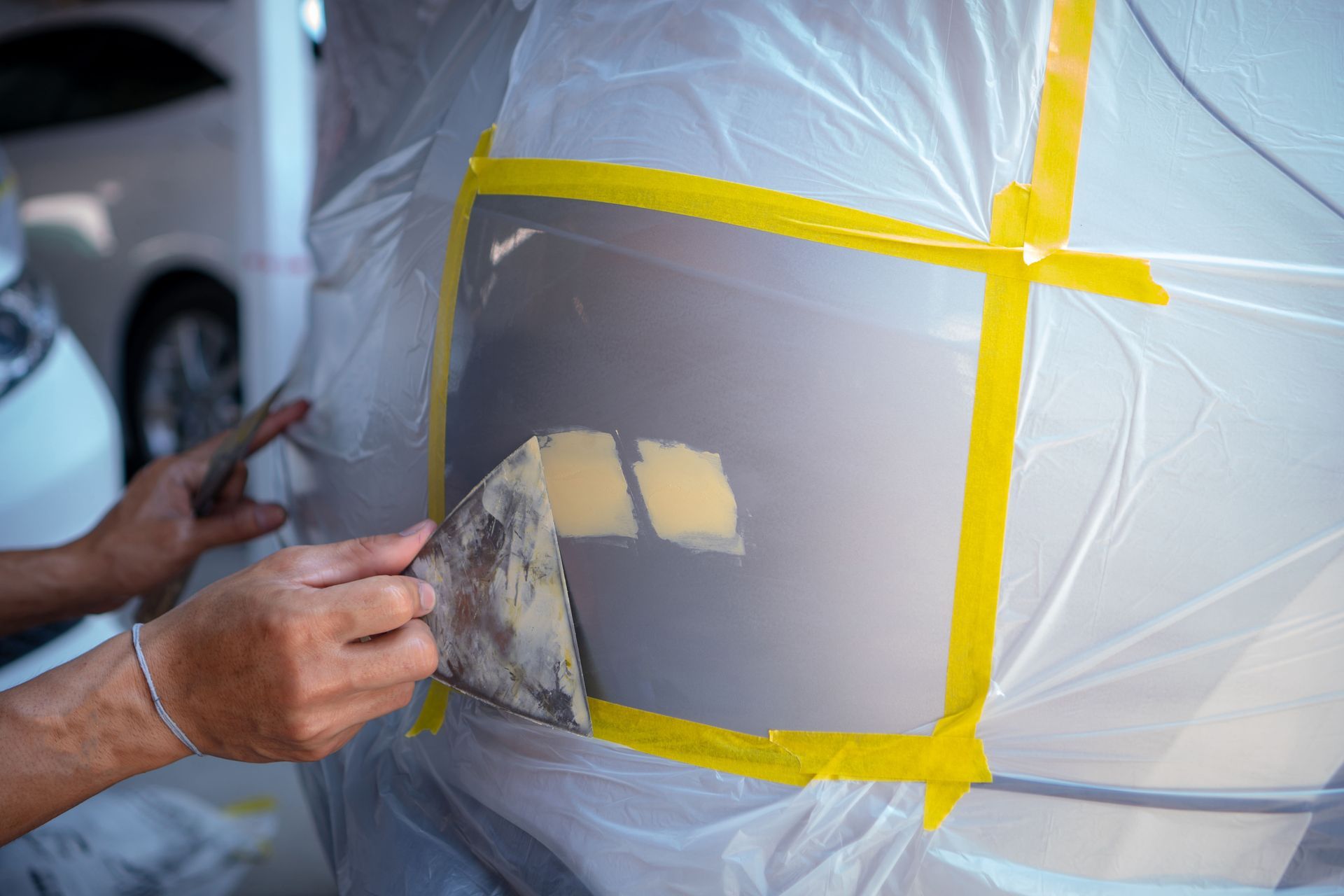
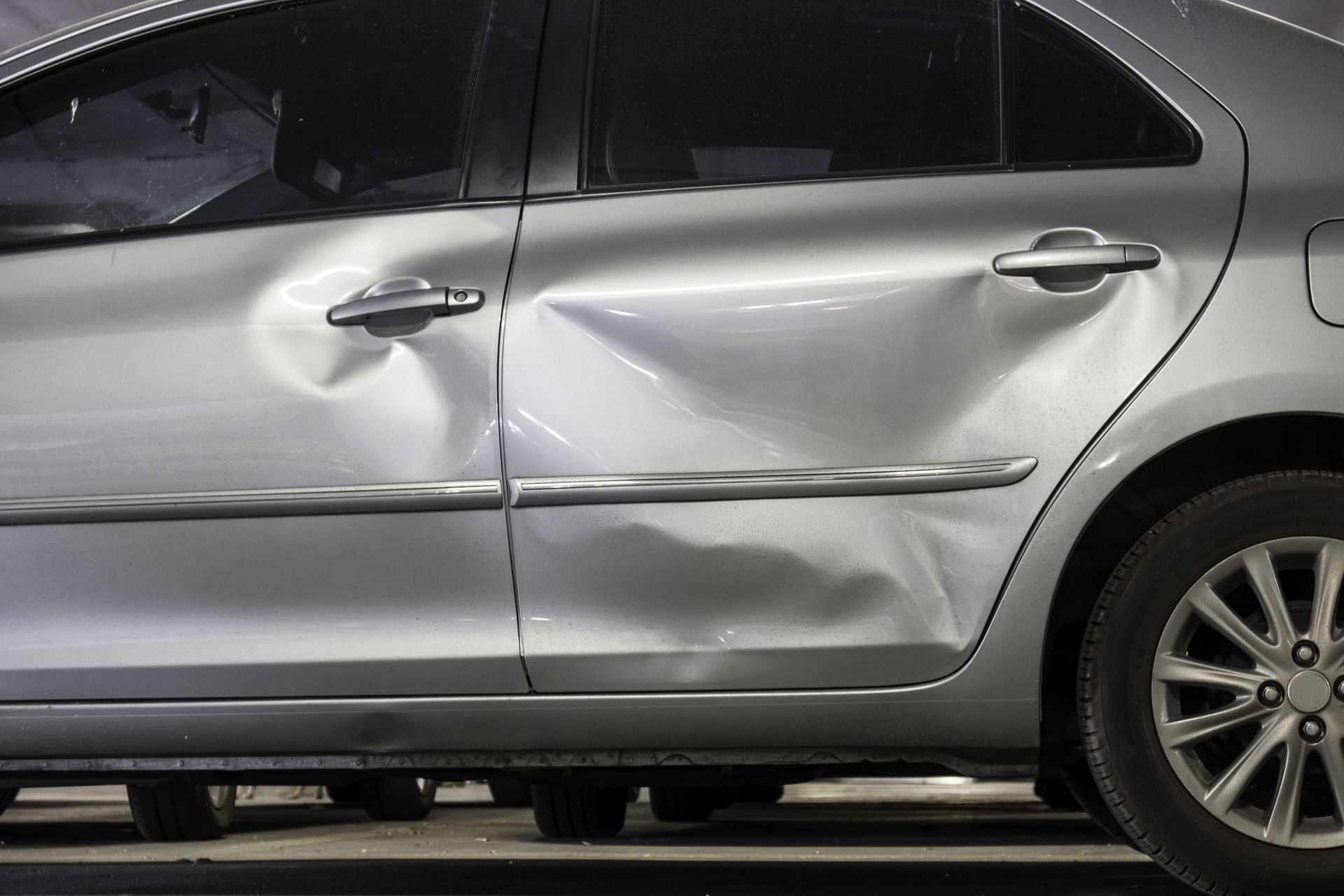
The preliminary step in high-temperature baking involves meticulous surface preparation to ensure optimal paint adhesion. This begins with a thorough cleaning protocol to remove dirt, grease, and other contaminants that could affect the paint job. This is followed by sanding the surface to make it perfectly smooth, allowing the primer to adhere more effectively. Once sanded, the vehicle's surface is cleaned again to eliminate any residual particles. Proper surface preparation is critical, as it sets the foundation for the primer and subsequent paint layers.
Step 2: Primer Application Techniques
Applying the primer is the next crucial step, serving as the binding agent between the vehicle surface and the paint layers. Specialized spray nozzles are employed to ensure an even application, avoiding runs or drips that can mar the finish. The primer not only aids in adhesion but also serves to protect the underlying metal from rust and corrosion. Once applied, the primer undergoes an initial low-temperature baking phase to set it firmly. This stage ensures a seamless transition to the actual painting process, providing a stable base for the paint.
Step 3: Painting Under Controlled Conditions
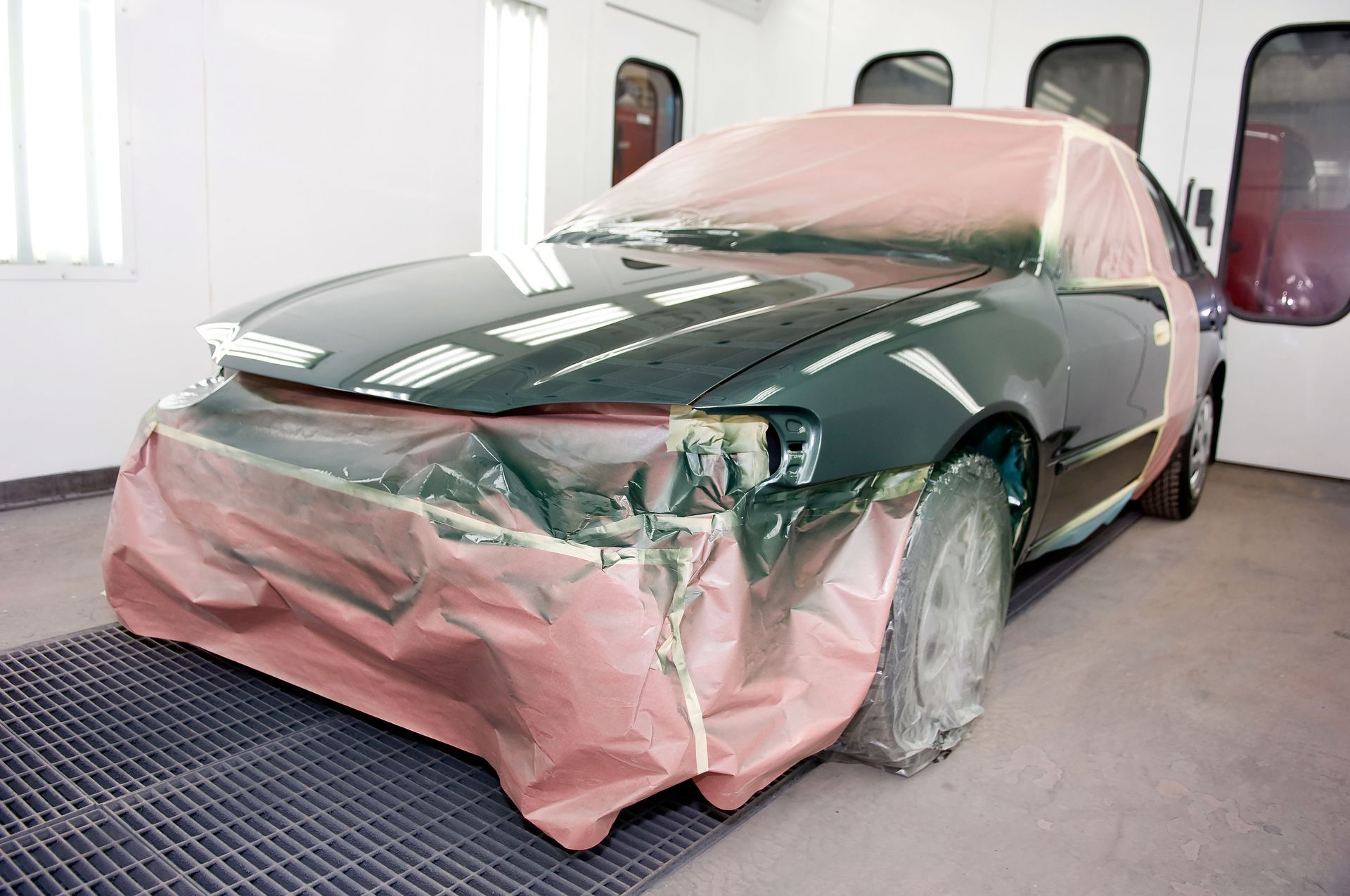
The core of achieving showroom quality lies in the painting phase, which is conducted under meticulously controlled conditions. Paint booths play a vital role in maintaining an optimal environment, free from dust and external disturbances. Multiple layers of paint are applied in succession, each followed by an interim drying period. This layered approach not only enhances color depth but ensures each coat cures properly. By layer, the paint is first allowed to air dry before being subjected to a high-temperature bake, ensuring durability and a smooth finish.
Step 4: The Baking Process Explained
The high-temperature baking step is crucial for setting the paint and involves exposing the vehicle to oven temperatures of around 150°C (300°F) according to Eines. In our experience, each coat of paint is baked for approximately 20 minutes, a period precisely calculated to balance curing with energy efficiency. This heats the paint molecules, causing them to bond tightly and form a resilient layer. The baking cycle not only ensures durability but also elevates the gloss and smoothness of the finish. By subjecting each layer to this rigorous process, baking guarantees a long-lasting, showroom-quality result.
Final Touches: Ensuring a Flawless Finish
Once the baking process is complete, the final touches are applied to ensure a perfect finish. This stage often involves a meticulous inspection to identify any irregularities that require correction. Polishing compounds are used to further enhance shine and smoothness, eliminating any haze left from the baking. A protective topcoat or sealant may also be applied for additional surface protection. These final touches are essential in converting the already durable coat into a flawless, glossy surface that epitomizes showroom quality.
Advantages of High-Temperature Baking
Enhanced Durability and Longevity
The primary advantage of high-temperature baking is the enhanced durability and longevity it offers to auto paint. The intense heat treatment fosters stronger molecular bonds within the paint, making it more resistant to chipping and fading. This strength translates to a longer-lasting finish that withstands environmental stressors. Cars painted through this method show reduced signs of wear over time, retaining their aesthetic appeal. The longevity of the paint also translates into cost savings for vehicle owners over the lifespan of the paint job.
Aesthetic Benefits: Glossy and Smooth Finishes
High-temperature baking bestows aesthetic benefits that are evident in the glossy and smooth finishes it produces. The heat-treated paint displays a mirror-like surface free from the blemishes often seen in traditional finishes. The enhanced smoothness means that dirt and grime find it harder to adhere, promoting easier cleaning and maintenance. Additionally, the baking process amplifies the color vibrancy, capturing the eye with an alluring shine. These attributes are precisely why high-temperature baking is favored by many for achieving a premium showroom-like appearance.
Time Efficiency in Auto Painting
Time efficiency is another significant advantage of using high-temperature baking in auto painting. The accelerated curing process drastically reduces the overall time required from start to finish. Traditional painting often involves long drying periods, which are cut short by baking's rapid setting nature. This increased efficiency means that vehicles spend less downtime off the road. For commercial fleets or individuals depending on their vehicles, such time savings are invaluable, further solidifying the method's desirability.
Environmental Impact and Safety Benefits
Environmental and safety benefits further contribute to the appeal of high-temperature baking. The process is typically carried out in closed environments with sophisticated ventilation systems, reducing the release of harmful VOC emissions. Additionally, modern baking systems are designed to be energy-efficient, curtailing their carbon footprint. Safety is enhanced as well, as the controlled environments minimize exposure to hazardous chemicals for workers. Collectively, these aspects make high-temperature baking a responsible choice in today's eco-conscious world.
High-temperature baking by an auto paint service represents a leap forward in achieving showroom-quality finishes. Its pivotal role in ensuring durability, aesthetic appeal, and efficiency makes it an indispensable technique in the industry. As advances in technology continue to shape its capabilities, high-temperature baking is well-positioned to dominate future trends in automotive painting. Its ongoing refinements and potential for integration with new technologies promise a bright future. Ultimately, high-temperature baking is not just a technique; it is a commitment to excellence in automotive aesthetics. If you want to learn more about high-temperature baking or schedule an
auto paint service for your vehicle, reach out to Central Collision Repair, LLC today!