October 7, 2026
A car accident happens in a fraction of a second, but the decisions you make in the minutes following the crash can deeply impact your safety, health, legal rights, and financial recovery. The sheer scale of the automotive service industry reflects how common crashes are—according to market data from The Business Research Company, the automotive collision repair market size reached $214.86 billion in 2025. Knowing the exact steps to take right after a crash will help you stay calm, protect your overall well-being, and prepare your vehicle for professional auto collision repair.
Check for Injuries and Ensure Immediate Safety
The moments right after a collision are chaotic, but your absolute first priority must always be health and human safety. Take a deep breath to manage the rush of adrenaline before unbuckling your seatbelt or attempting to exit the vehicle. Systematically check yourself and your passengers for signs of harm, trauma, or pain, paying close attention to neck and back stiffness. If it is safe to do so, check on the occupants of the other vehicles involved. Never attempt to move an injured person unless there is an immediate, life-threatening hazard such as fire, as moving someone with a spinal injury can cause further permanent harm. Physical well-being always takes precedence over evaluating vehicle damage or worrying about auto collision repair estimates.
Move Vehicles to a Safe Area if Possible
If the accident is minor and all involved vehicles are still drivable, pull them safely to the shoulder, median, or a nearby parking lot to avoid blocking active traffic lanes. Leaving disabled cars in the middle of a busy highway significantly increases the risk of secondary collisions. As soon as you bring the vehicle to a stop, turn on your emergency hazard lights immediately to warn oncoming drivers. If a car cannot be moved due to heavy mechanical damage or if it is unsafe to exit, remain inside with your seatbelt securely fastened until emergency responders arrive on the scene. If you carry reflective safety cones or flares in your trunk, set them up carefully behind your car to establish a clear safety perimeter.
Contact Emergency Services and Local Police
Always notify law enforcement right away, even if the crash seems minor or the other driver suggests handling it without involving authorities. Dial 911 immediately if anyone is injured, if traffic is obstructed, or if a driver appears intoxicated. Request a police officer to the scene so they can draft an official, unbiased accident report detailing the environmental conditions, driver statements, and physical evidence. This document serves as vital evidence when dealing with insurance companies, legal claims, and liability disputes. Before the officer leaves the scene, make sure to write down their name, badge number, and the official police report number. Having this official record ready will also streamline the process when your insurer initiates the claims process for auto collision repair.
Document the Scene With Photos and Notes
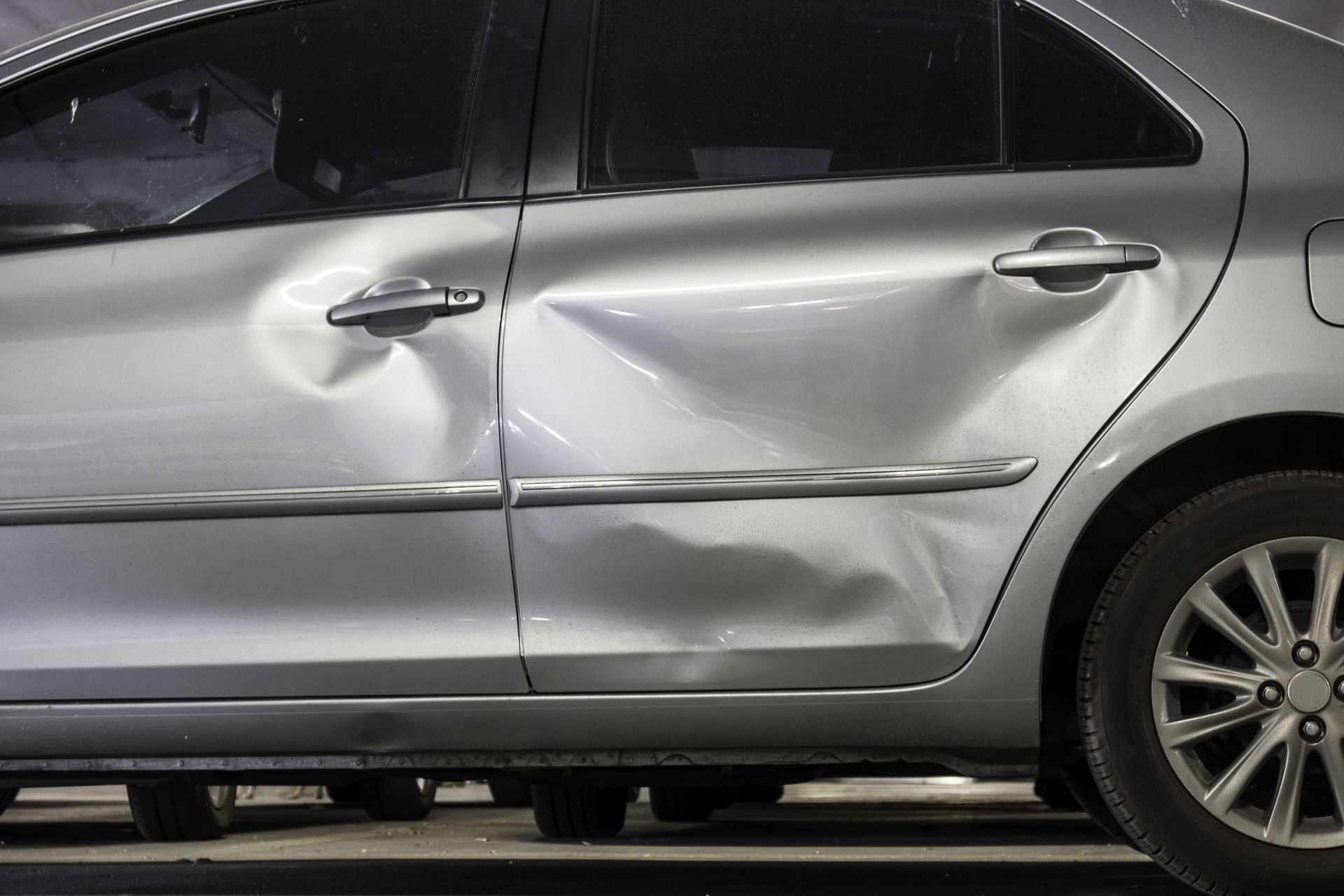
While waiting for law enforcement to complete their investigation, gather as much visual evidence as you safely can using your smartphone camera. Take broad, wide-angle photos of the entire scene, including traffic signals, weather conditions, road hazards, and skid marks. Next, take clear, close-up photos of all vehicle damage from multiple angles, ensuring you capture license plates and damaged surrounding property. Write down the precise details of the accident while your memory is fresh, noting the exact date, time, street names, and direction of travel. These high-resolution photographs provide critical visual evidence that technicians will rely on when assessing the true scope of auto collision repair needed for your vehicle.
Exchange Information With All Involved Parties
Maintaining composure after a crash is essential when interacting with other motorists. Politely exchange essential details with all drivers involved, including full legal names, phone numbers, driver’s license numbers, vehicle license plates, and insurance provider policy numbers. If there are neutral eyewitnesses present, respectfully request their contact details as well, as their statements can confirm your account of events. Throughout this process, stick strictly to exchanging facts and avoid discussing who was at fault. Never apologize or make statements such as "I didn't see you," as these innocent comments can be interpreted as an admission of liability during legal or insurance reviews. Consider taking a quick photo of the other driver's license and insurance card with their permission to ensure all typed or written information is accurate.
File an Official Claim With Your Insurance
Contact your insurance provider or log into their mobile app as soon as possible after the accident scene has cleared. Report the incident promptly and provide the representative with the objective facts you gathered, including photos, the police report number, and contact details of all involved parties. Be completely honest in your description, but avoid guessing or speculating on technical details you are unsure of. It is important to know your legal rights as a consumer: in most jurisdictions, you are not obligated to use the shop recommended by your insurance company. Understanding how claims adjusters evaluate damage helps ensure that all necessary auto collision repair procedures are fully covered by your policy.
Seek Prompt Medical Attention for Hidden Injuries
Even if you walk away from the crash feeling completely fine, scheduling a medical evaluation is a crucial step that should never be skipped. The intense adrenaline produced during a car accident can easily mask signs of severe internal injuries, concussions, or soft-tissue damage like whiplash for several hours or even days. Visit an urgent care clinic, emergency room, or your primary care physician to be thoroughly examined by a medical professional. Obtaining an immediate medical report creates a clear, documented timeline that connects your physical injuries directly to the accident, preventing insurance companies from claiming your condition was caused by a pre-existing issue.
Choose a Repair Facility You Trust
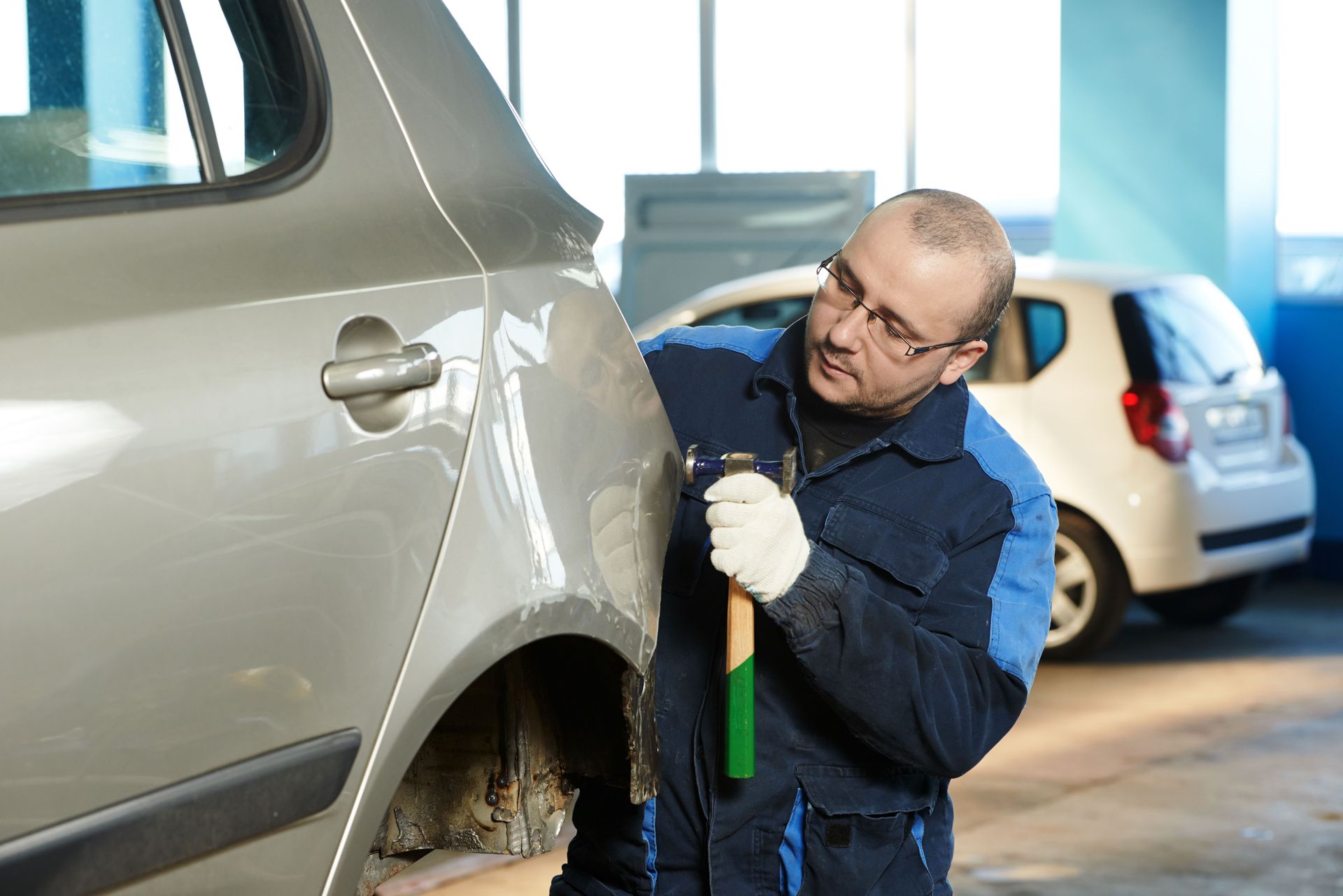
Once safety, documentation, and medical checks are taken care of, turn your attention to restoring your vehicle to its pre-accident condition. Take time to research local body shops, verifying that their technicians hold industry-recognized certifications from organizations like I-CAR. Ask for a comprehensive written estimate detailing labor rates, structural alignment procedures, and paint application. Partnering with experienced, certified technicians guarantees that complex structural auto collision repair restores both the aesthetic appeal and safety integrity of your car. Remember that you have the right to choose any auto body shop you trust, regardless of which facilities your insurance adjuster initially suggests.
Navigating the aftermath of a car accident can feel overwhelming, but taking systematic action makes all the difference. By prioritizing immediate physical safety, securing an official police report, thoroughly documenting the scene, filing claims promptly, and seeking medical attention, you lay a solid foundation for your recovery. When it comes time to restore your vehicle, relying on trusted specialists for auto collision repair ensures your car is returned to factory specifications for long-term reliability.
If you or someone you know has recently been involved in a car crash, don't leave your vehicle's safety and performance to chance. Contact the experienced team at Central Collision Repair, LLC today to receive a comprehensive damage assessment and expert
auto collision repair. Call us today or visit our website to schedule your estimate and let us restore your peace of mind on the road.